Elevator Shaft Repair & Waterproofing
Fix the Leak Without Rebuilding the Brick
New paneling and full elevator shaft waterproofing in under a week, for a fraction of the cost of a brick rebuild.
(905) 397-1198 Contact Us for a Free QuoteGet a Roofing Quote
Before
After
Hover to see the finished result
Tap to see the finished result
Elevator Shaft Repair
Old Brick Shafts are Expensive to Rebuild
Rooftop elevator shafts leak because the mortar joints, flashings, and cap details around them have aged out, not because the brick itself has failed. Most roofers respond by quoting a full brick rebuild, which runs into five figures and shuts the elevator down for days or weeks.
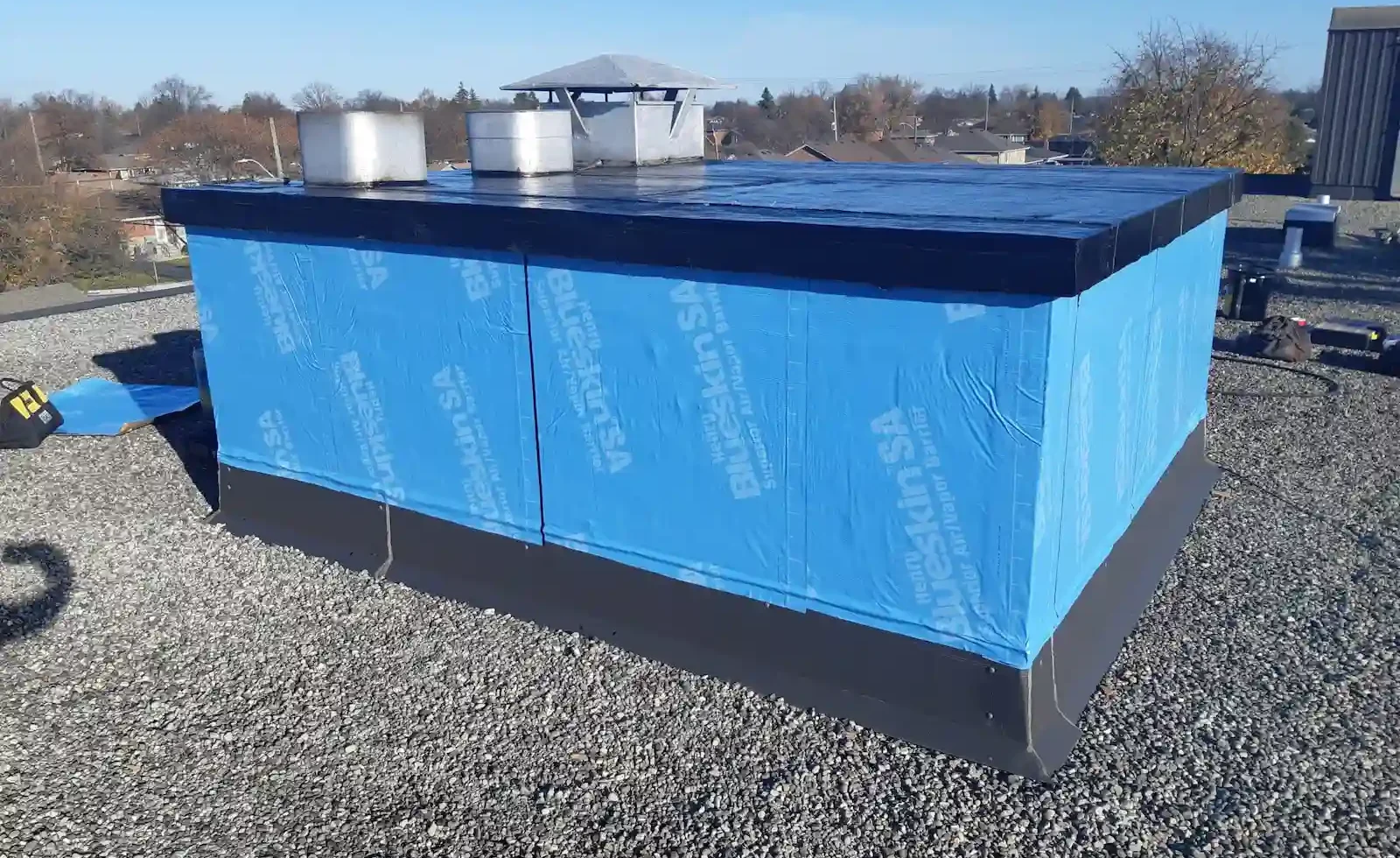
At Videl Roofing, we re-clad the existing shaft with new metal paneling and waterproof every seam, joint, and tie-in to the roof membrane. The brick stays in place, the elevator stays in service, and any leaks are gone for good.
Videl's Re-Panelling Process
Elevator Shaft Repairs at a Fraction of the Cost
A full brick elevator shaft rebuild on a commercial roof runs $15,000 to $40,000 and takes the elevator out of service for weeks. It's invasive, expensive, and usually unnecessary — the brick itself is rarely the problem.
New paneling, repairs, and waterproofing over the existing shaft runs $1,500 to $5,000 and takes three to five days. The elevator stays in service, the roof membrane is tied in properly, and the leak doesn't come back.
Inspect and measure
We assess the shaft, the existing flashing, and the tie-in to the roof membrane to confirm new paneling is the right fix and to spec the materials.
Install new paneling
New paneling is fitted over the existing brick shaft and mechanically secured, covering the full exterior surface of the brickwork underneath.
Waterproof and seam sealing
Every seam, joint, and transition to the roof membrane is fully waterproofed. The shaft is leak-tested before our crew leaves the site.
FREE ROOF REPORT
When Was Your Elevator Shaft Last Inspected?
Rooftop elevator shafts sit outside the regular elevator maintenance contract, which means nobody's checking them until water finds its way into the shaft.
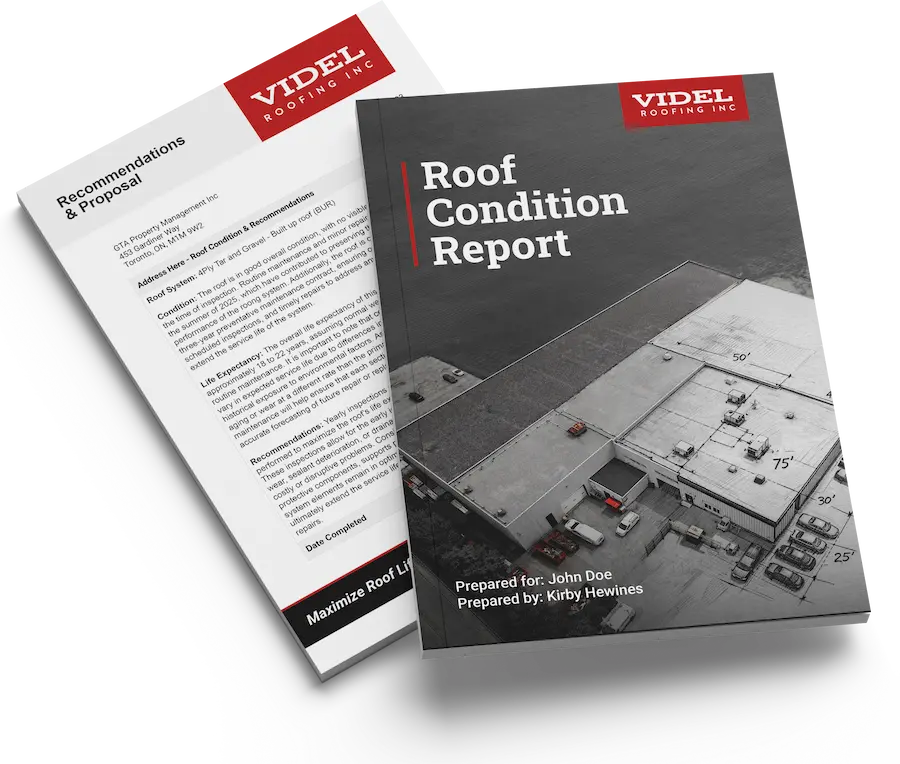
Our FREE Roof Condition Report covers every penetration on the roof, including the elevator shaft, with photos and a prioritized list of what needs attention.
50+ Point Roof Inspection
by commercial roofing experts
Photo Documentation
of all wear, damage, and deterioration
Detailed Summary of Defects
with prioritized action items and cost estimates
HAMILTON ROOFING CASE STUDY
Waterproofing a Deteriorating Elevator Shaft at Mohawk College
Prevented recurring freeze-thaw brick and mortar damage
Zero disruption to building access or elevator service
Cost-effective alternative to full brick restoration
Before
After
Hover to see the finished result
Tap to see the finished result
Do elevator shafts need to be insulated?
Rooftop elevator shafts in commercial buildings typically include insulation within the wall assembly to prevent condensation, reduce heat loss, and protect the mechanical equipment housed inside. When we install new paneling over an existing shaft, we confirm the insulation behind the brick is still performing and address any gaps before the new panels go on.
How do you waterproof an elevator shaft?
Waterproofing a rooftop elevator shaft means sealing every transition between the shaft, the flashing, and the roof membrane so water has no path in. On most Videl projects, that involves installing new paneling over the existing brick, then fully waterproofing the seams, joints, and membrane tie-ins. Every seal is leak-tested before the work is signed off.
How long does a typical elevator shaft repair take?
Most elevator shaft repairs run three to five days from start to finish, depending on shaft size, access, and the amount of waterproofing work needed. The elevator stays in service throughout, and we schedule the work around your building's operations.
What causes an elevator shaft to leak?
Leaks almost always start at the transitions — where the shaft meets the roof membrane, where flashing has aged out, and where mortar joints have cracked or separated. The brick itself is rarely the problem. Once those details fail, water tracks down the inside of the shaft and eventually reaches the elevator mechanical room.
Can you repair an elevator shaft without rebuilding the brickwork?
Yes, and that's the core of what we do on elevator shaft repair projects. New paneling is installed directly over the existing brick and mechanically secured, then every seam and tie-in is waterproofed. The original brickwork stays in place, which cuts both the cost and the timeline dramatically compared to a full rebuild.