
When it comes to commercial and industrial roofing, choosing from the best flat roof types can make a major difference in long-term performance, efficiency, and cost. At Videl Roofing, we work with a variety of systems, but three stand out as the most common—and for good reason.
In this article, we’ll walk you through the pros, cons, and ideal use cases for 4-Ply BUR, EPDM, and TPO roofing systems.
3 Best Flat Roof Types
1. 4-Ply Built-Up Roofing (BUR)
Built-Up Roofing—often abbreviated as BUR—is a multi-layered system that’s been used in North America for over a century. A 4-ply BUR system is composed of four alternating layers of roofing felt and hot-applied asphalt or bitumen, which are then typically covered with a protective gravel or mineral surface.

Each layer acts as a barrier, creating a redundant waterproofing system that’s far more resistant to leaks than single-ply options.
The combination of layers helps the roof withstand extreme temperature fluctuations, UV exposure, and heavy foot traffic. While 2-ply systems exist, we usually recommend 4-ply for clients who want maximum longevity and durability.
Why we recommend it:
BUR is one of the most time-tested roofing systems available. It offers excellent protection against water intrusion and UV damage—and when installed properly, it can last up to 30 years or more.
Average Cost:
- $7.50 – $11.00 per sq. ft.
Cost for 4-Ply BUR depends on material costs (asphalt, gravel), labor intensity, roof size/complexity, and insulation upgrades. This system also takes longer to install, which increases labor costs—but the longevity often offsets the higher upfront investment.
Best for:
- Heavy-duty industrial buildings
- Facilities with high foot traffic on the roof
- Clients who value long-term durability over short-term savings
Pros:
✅ Proven longevity and strength
✅ Excellent waterproofing
✅ Fire-resistant surface
✅ Holds up under foot traffic and equipment
Cons:
⛔ Heavier than single-ply systems
⛔ Longer installation time
⛔ Slightly higher upfront cost
“We’ve worked on 4-ply BUR systems that are still holding strong after 35+ years. For many commercial buildings, it’s simply one of the best flat roof types you can choose if longevity and reliability matter.”
— Videl Roofing Team
2. EPDM (Ethylene Propylene Diene Monomer)
EPDM is a synthetic rubber roofing membrane, widely used across North America for flat and low-slope roofs. It’s typically manufactured in large, seamless rolls that are either fully adhered, mechanically fastened, or ballasted (weighted down with gravel). The material itself is made from ethylene and propylene derived from oil and natural gas, with added diene to allow for cross-linking and enhanced durability.
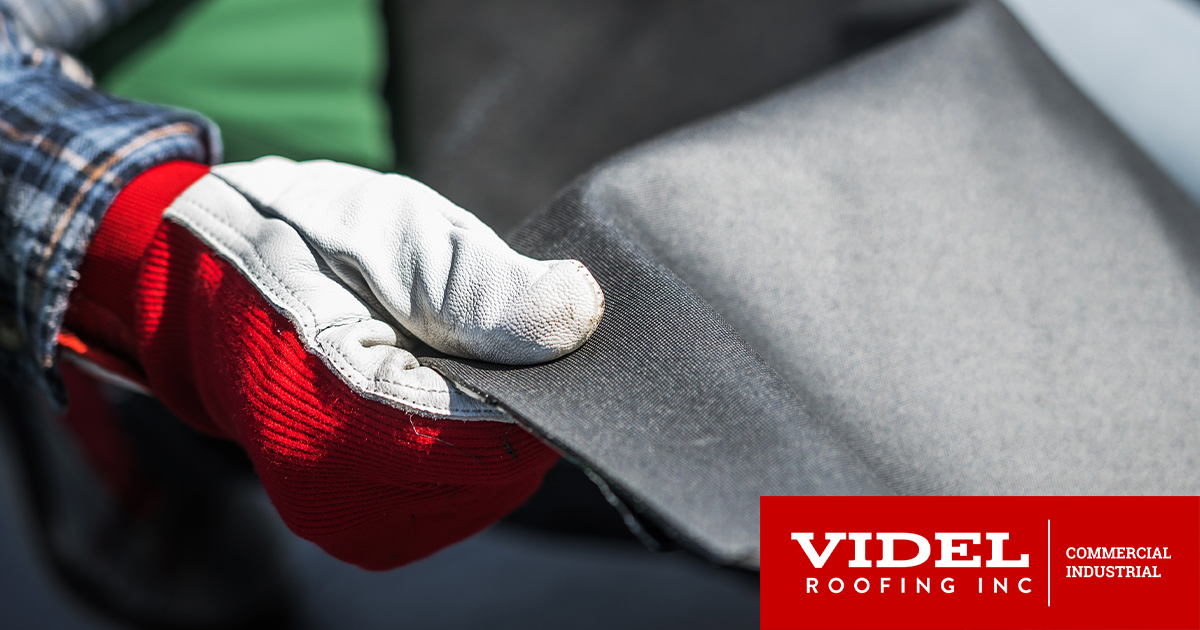
The end result is a flexible, waterproof sheet that can easily expand and contract with temperature changes. It’s especially well-suited to large rooftops that need quick installation with minimal seams. However, it’s important to note that its soft, rubbery surface is vulnerable to punctures—especially in areas with foot traffic or rooftop equipment.
Why it’s used:
EPDM is an affordable, reliable roofing option. When maintained properly, it can last up to 20+ years. That said, its biggest weakness is physical damage—especially in areas with frequent foot traffic or equipment access.
Continue reading: 6 Signs Your Flat Roof Needs Immediate Repairs
Average cost:
- $4.50 – $7.00 per sq. ft.
EPDM is one of the most affordable single-ply systems, but pricing depends on whether it’s fully adhered, ballasted, or mechanically fastened. Ballasted is cheaper, but less secure. Roof prep, access difficulty, and membrane thickness can also affect total cost.
Best for:
- Commercial properties with low foot traffic
- Budget-conscious property owners
- Large-scale flat roofs where ease of installation matters
Pros:
✅ Cost-effective
✅ UV and weather resistant
✅ Easy to patch and maintain
✅ Lightweight and flexible
Cons:
⛔ Vulnerable to punctures and tears
⛔ Can shrink or wrinkle over time if not installed properly
⛔ Not ideal for rooftops with regular access or heavy equipment
“We’ve seen far too many EPDM roofs fail early simply because they weren’t protected or maintained. Although cost-effective, once a tear forms, it can allow water to soak into the insulation layer, leading to rot and costly structural damage.”
— Videl Roofing Team
3. TPO (Thermoplastic Polyolefin)
TPO is a single-ply reflective roofing membrane, usually white or light gray, designed to reduce heat absorption and improve energy efficiency. It’s made by blending polypropylene and ethylene-propylene rubber, creating a flexible yet heat-weldable thermoplastic material. TPO sheets are rolled out onto the roof and seams are sealed using hot-air welding, creating a strong, watertight bond that’s more durable than traditional adhesives.
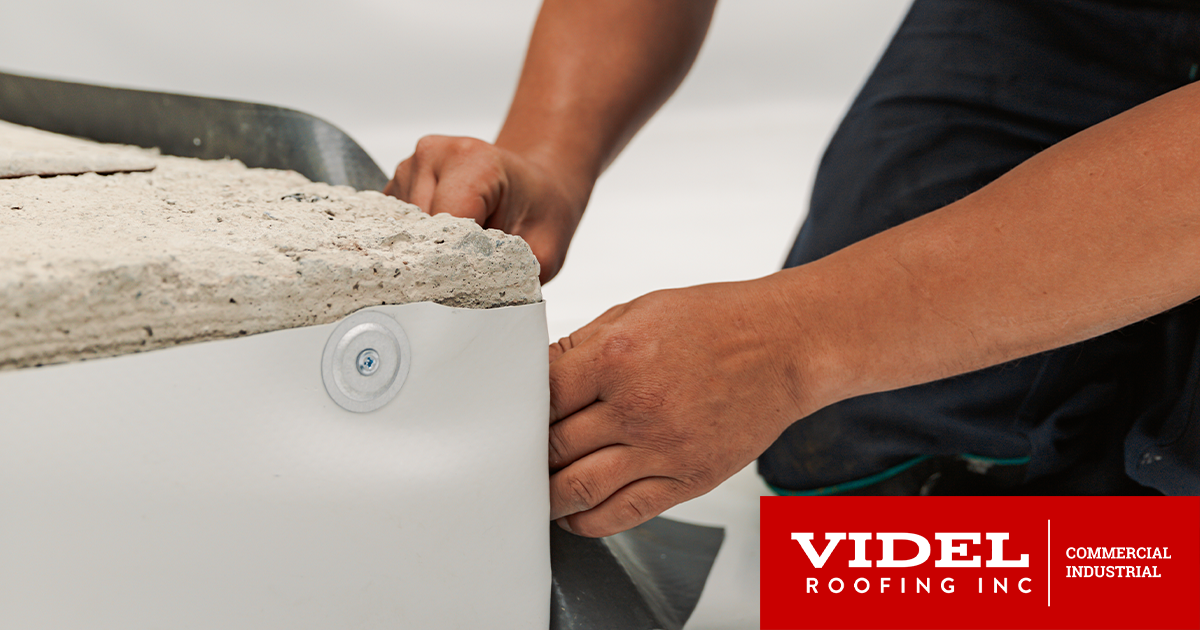
This roofing type is especially popular for commercial properties aiming for cool roofing performance—helping lower indoor temperatures and reduce HVAC costs. While relatively new compared to BUR or EPDM, it’s seen rapid adoption due to its balance of durability, price, and performance.
Why it’s used:
TPO reflects UV rays, reducing cooling costs in summer. Its welded seams are stronger than EPDM’s taped seams, making it more resistant to leaks—as long as it’s installed correctly.
Average Cost:
- $5.00 – $8.50 per sq. ft.
TPO pricing falls between EPDM and BUR. It requires expert welding for seams, which increases labor costs slightly. Price also varies depending on insulation type, sheet thickness, and whether the roof needs to meet reflective energy efficiency standards (e.g., LEED credits).
Best for:
- Warehouses and retail spaces
- Buildings aiming for energy savings
- Best flat roof type in warm or sunny climates
Pros:
✅ UV-reflective and energy efficient
✅ Seam strength from hot-air welding
✅ Resistant to chemicals and algae
✅ Lightweight and flexible
Cons
⛔ Shorter track record than BUR or EPDM
⛔ Quality can vary between manufacturers
⛔ Seams still require expert welding to prevent future leaks
“While TPO is a common choice in warmer climates, we don’t recommend it as one of the go-to flat roof types for Ontario. Freeze-thaw cycles can be brutal on seams, leading to premature failure and costly repairs.”
— Videl Roofing Team

What’s the best flat roof type for your property?
When it comes to flat roofing systems, there’s no one-size-fits-all answer. What works for a retail plaza might not be right for a high-traffic food processing facility. At Videl Roofing, we don’t just install—we advise. With 25+ years of hands-on experience across Ontario, we’ve seen what works long-term in our climate and what fails faster than it should.
Whether you’re budgeting for a new build or replacing an aging system, the best flat roof type for your building is one that will save you tens of thousands in future repairs, energy loss, and insurance headaches. We’re here to help you choose smart, build strong, and invest in a roof that actually delivers.
Not sure which system is right—or how much life your roof has left?
You might be surprised what proper maintenance can do. Book a free on-site roof assessment with our team and find out if a preventative roof maintenance plan could extend the life of your existing system.
FAQs
Can I upgrade my flat roof from EPDM to 4-Ply BUR?
Yes. In many cases, it’s possible to upgrade from a single-ply membrane like EPDM to a more durable 4-ply BUR system. However, this depends on the condition of the existing roof deck, insulation, and whether a full tear-off is required. Our team can assess your current setup and walk you through the best upgrade options.
How long does a commercial flat roof installation usually take?
Installation timelines vary depending on the roofing system, size, and complexity of the building. As a general rule:
EPDM and TPO: 3–7 days for mid-sized commercial buildings
4-Ply BUR: 7–10+ days due to the layered application and curing process
Weather, access, and tear-off requirements can also affect scheduling.
What’s the best flat roof type for cold climates like Ontario?
For Ontario’s harsh winters and freeze-thaw cycles, 4-Ply BUR is often the most reliable option due to its multi-layered waterproofing, UV resistance, and long-term durability. EPDM can work well too—especially if properly maintained and protected from foot traffic. TPO is not typically recommended in colder climates unless installed with extreme care.
Not sure what’s right for your building? Book a free on-site roof assessment—it’s often the best place to start.