
And suddenly, your building—and your bank account—are up in flames. Literally.
Roofing is usually straightforward, honest work. But behind every torch-on job, every pail of hot asphalt, and every rooftop crew is a level of risk many property owners and managers don’t fully consider—until something goes wrong.
Fires. Injuries. Evacuations. Lawsuits.
Accidents do happen. But what makes matters worse is choosing a roofing contractor that carries little or no insurance. That’s when a job site incident turns into a legal battle, the liability often falls directly on the building owner.
In this article, we’re not asking you to take our word for it. Below are five real roofing-gone-wrong incidents from across Canada—where missing coverage, poor safety, or cut corners turned routine jobs into six- and seven-figure disasters.
What’s ahead?
- Incident #1: Ottawa Roofer Fined $80K After Workers Critically Burned
- Incident #2: Historic Block Destroyed, Lawsuit Filed Against Owner and Roofer
- Incident #3: Hotel Fire Sparks $50M Lawsuit in Banff
- Incident #4: Fire Destroys University Archive During Roof Work
- Incident #5: Kitchener Roofing Company Fined $110,000 After Worker Fatality
5 ‘Roofing Gone Wrong’ Disasters in Canada
Incident #1: Ottawa Roofer Fined $80K After Workers Critically Burned
Source: CBC News
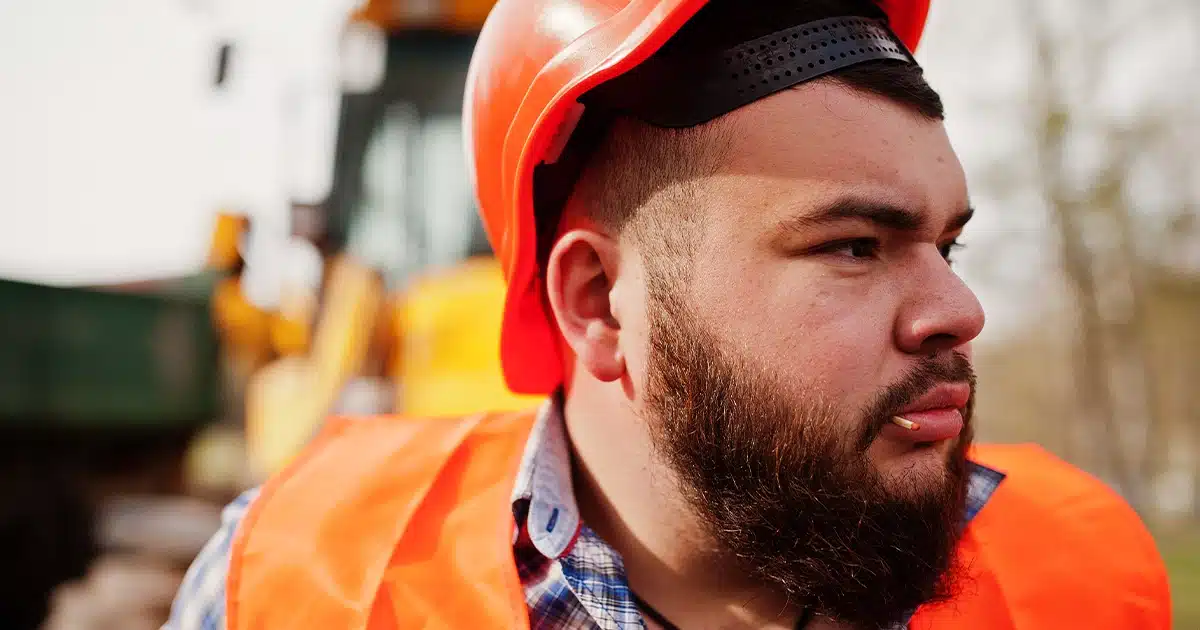
In July 2017, workers in Ottawa were installing a new roof on a two-storey home when an adhesive ignited on the balcony. With no fire extinguisher on site, two workers were unable to escape the flames in time. One suffered serious burns to their arms, legs, and torso.
The Ministry of Labour investigated the incident and found multiple health and safety violations. The company did not appear in court to defend itself. An $80,000 fine was issued in November 2018.
Key takeaway: When accidents happen, liability often extends beyond the contractor. If your roofer is underinsured—or doesn’t follow proper protocols—you could still end up in court.
Incident #2: Historic Block Destroyed, Lawsuit Filed Against Owner and Roofer
Source: CBC News
In October 2013, a major fire ripped through a row of historic commercial buildings in New Westminster, BC. Investigators linked the blaze to torch-on roofing work being done on-site. The fire caused significant damage, displaced multiple businesses, and shut down a vibrant part of the downtown core.
The aftermath included lawsuits naming both the roofing contractor and the building owner, with allegations of improper torch use, untrained workers, and a lack of fire suppression on site. One small business reported being uninsured—and unaware a lawsuit had even been filed.
According to CBC’s 2015 update on this roofing incident, “none of the allegations have been proven in court and the defendants have not yet filed a response.”
Key takeaway: When accidents happen, liability often extends beyond the contractor. If your roofer is underinsured—or doesn’t follow proper protocols—you could still end up in court.
Incident #3: Hotel Fire Sparks $50M Lawsuit in Banff
Source: CTV News
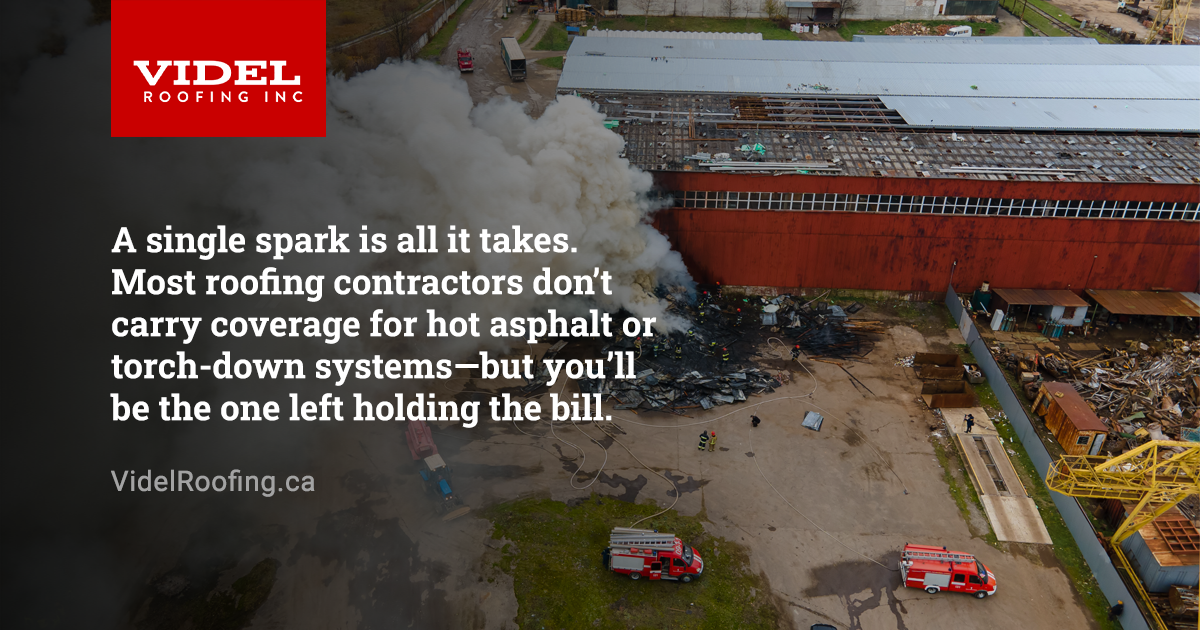
A fire at a major hotel in Banff, Alberta forced the evacuation of nearly 300 guests and shut down a large portion of the facility. The fire reportedly began when a torch used for roofing was left near flammable materials, leading to extensive damage.
The hotel’s operator filed a $50 million lawsuit seeking compensation for business losses, repairs, and displacement. Legal documents point to negligence in fire safety practices and improper handling of hot work.
Key takeaway: Torch-on roofing systems are common—and so are the fires they cause. If your contractor doesn’t carry insurance that explicitly covers hot work, you could face multi-million-dollar exposure.
Incident #4: Fire Destroys University Archive During Roof Work
Source: CBC News
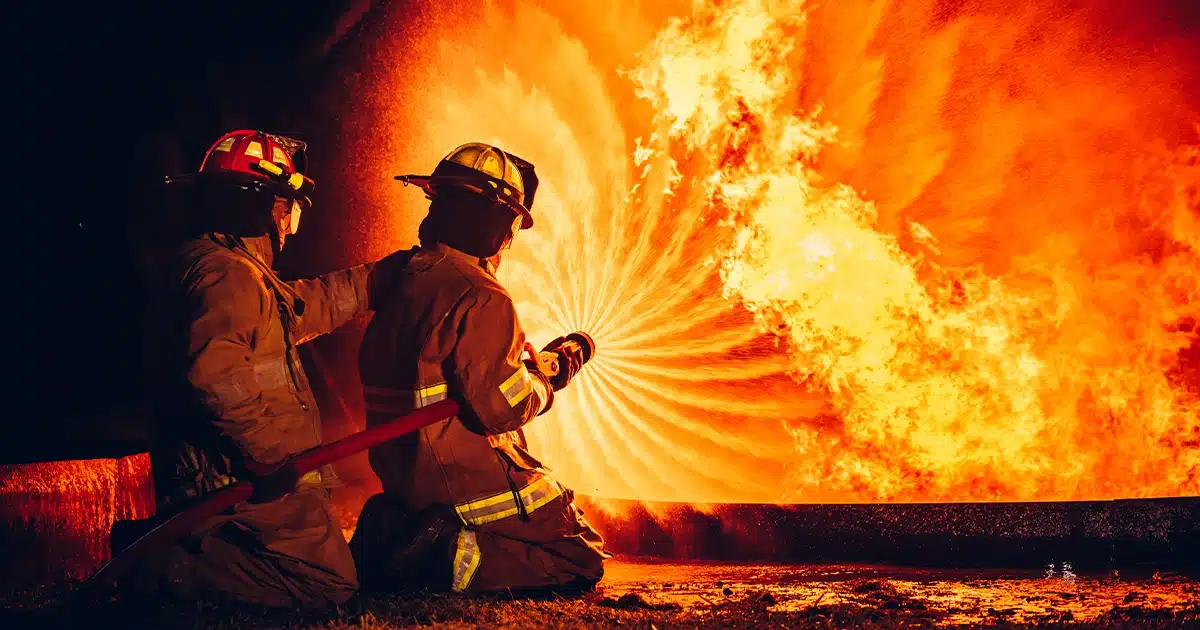
In 2016, a fire during roofing repairs at the Institute of Asian Research at UBC destroyed a building and irreplaceable academic archives. The fire reportedly started on the roof during construction, though the exact cause wasn’t confirmed publicly.
What was lost wasn’t just property—it was decades of historical records, research, and cultural documentation. The loss prompted questions about insurance, documentation, and contractor accountability.
Key takeaway: Some losses can’t be measured in dollars alone. Whether it’s academic work, business records, or tenant inventory—a roofer without the right insurance could leave you exposed to irreversible damage.
Incident #5: Kitchener Roofing Company Fined $110,000 After Worker Fatality
Source: Ontario Ministry of Labour
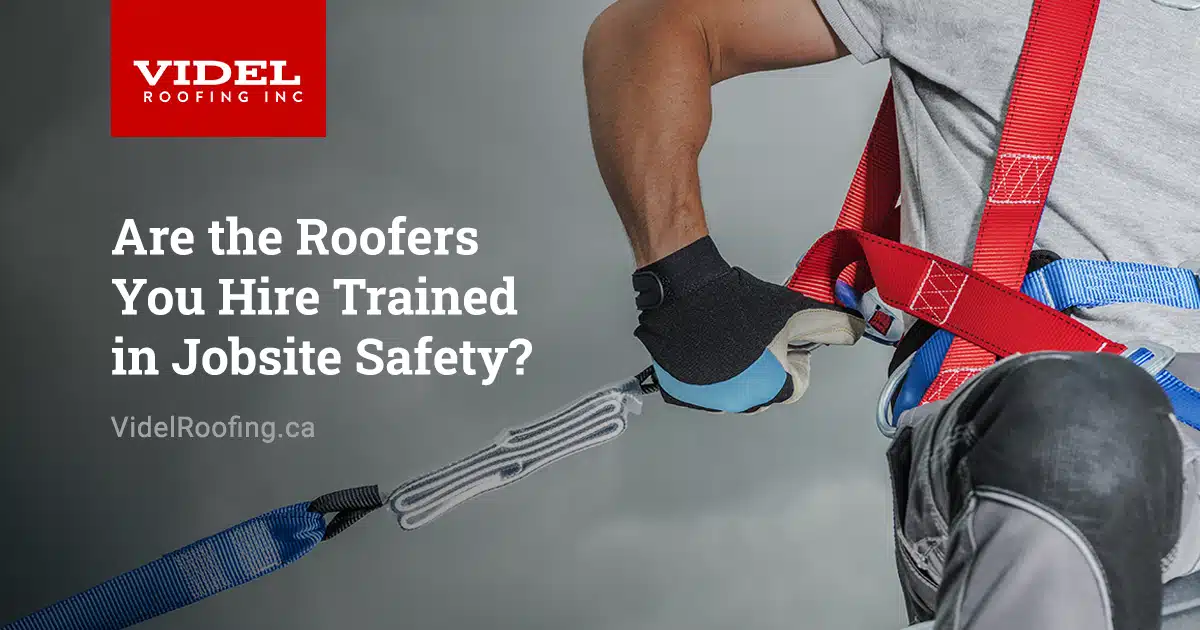
In April 2022, a worker was fatally injured while installing metal sheathing on a second-story roof in Kitchener, Ontario. The worker was not wearing fall protection at the time of the incident. The company responsible was fined $110,000 for failing to ensure the worker used appropriate fall protection, as required by the Occupational Health and Safety Act.
Key takeaway: Ensure the roofing contractors you hire adhere to safety regulations and possess comprehensive liability insurance. Neglecting safety protocols can lead to severe consequences, including worker fatalities and substantial legal and financial liabilities for all parties involved.
How to Protect Yourself When Hiring a Roofing Contractor
Roofing can be a high-risk work. Whether it’s a fire, a fall, or a missed inspection, the consequences can be serious and not just for contractors, but for property owners too.
Before you award any roofing contractor the job—especially on commercial or industrial buildings—protect yourself by asking for:
✅ Proof of active liability insurance (not just a verbal “yes”)
✅ Coverage that includes flame or hot work, if applicable
✅ WSIB clearance certificate to confirm worker protection
✅ Documented safety protocols and training
✅ A clearly defined scope of work with responsibilities spelled out
If a contractor can’t or won’t provide these? Move on.
Because when something goes wrong, your name might be the one on the lawsuit—especially if the roofer disappears or the policy doesn’t cover the work being done.
At Videl Roofing: We Go Above and Beyond
We take safety seriously. At Videl Roofing, we carry $5 million in liability insurance, including full coverage for torch-on systems, flame work, and hot asphalt applications. We don’t cut corners—and we don’t ask you to carry the risk.
We take every step to ensure our crews are safe, our clients are protected, and your building is covered from the ground up. It’s not just about installing roofs. It’s about protecting your investment, your operations, and your peace of mind.